Minsky DTIC
AI-POWERED RESEARCH & DISCOVERY PLATFORM
Transforming how DoD researchers discover, explore and connect scientific and technical information through AI-powered search and knowledge discovery.

Impact at a glance, H1 2026
42,000+
Unique users accessed the platform
44,000+
Documents viewed, 1.7 per session
47,000+
Searches run, 1.7 per user
66%
Of users searched, 28,000+ people
61%
Of users opened a document, 26,000+ people
2,700+
Text extractions copied from documents
480+
Documents shared with collaborators
9,200+
Peak monthly users in April 2026
Defense Technical Information Center
The Defense Technical Information Center (DTIC) is the U.S. Department of Defense's central resource for scientific and technical information. It supports the DoD research and engineering community by collecting, preserving and providing access to knowledge generated across defense research programs.
Its mission is to make scientific and technical knowledge accessible, discoverable and reusable, helping the defense community build on existing research rather than duplicate efforts.

The information ecosystem
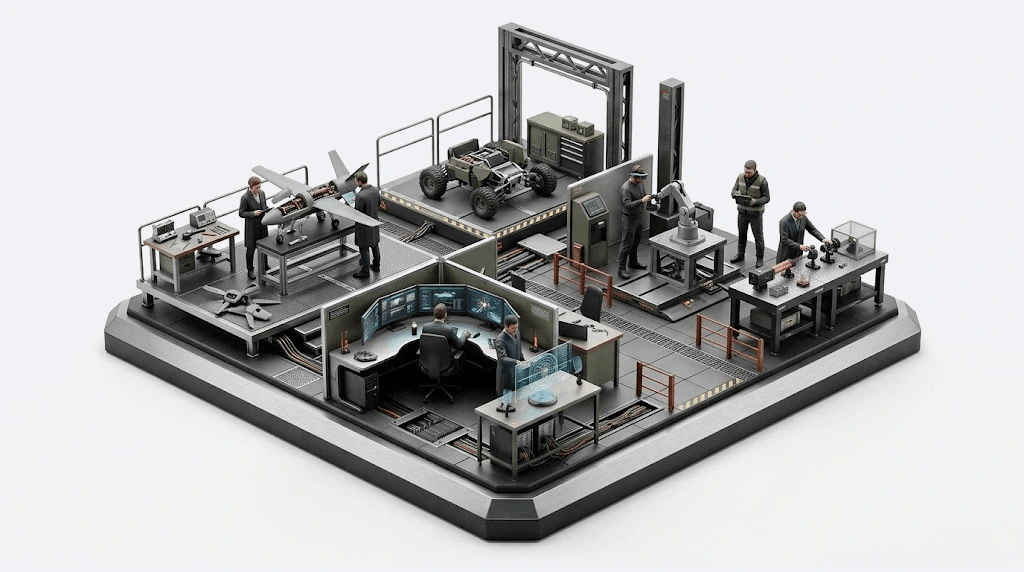
Research organizations
DoD laboratories, military research institutions and external research partners
Subject-matter experts
Scientists, engineers and researchers working across specialized domains.
Technical publications
Reports, scientific papers, research findings and engineering documentation.
Research activities
Projects, technologies, funding initiatives and scientific developments.
A vast research ecosystem
Yes
DTIC provides access to an extensive collection of DoD scientific and technical information.
But
Valuable knowledge extends beyond individual documents, across researchers, organizations, technologies and datasets.
DoD Critical Technology Areas
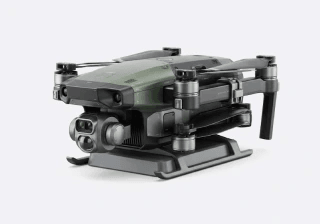
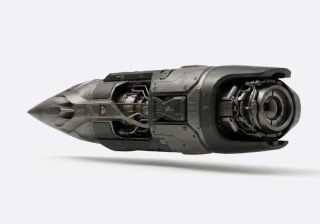
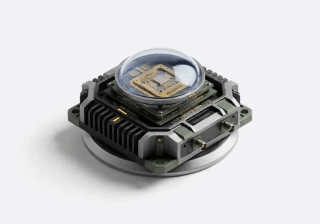
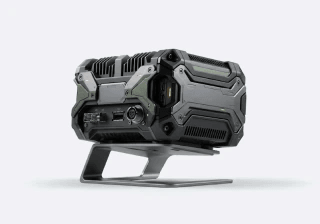
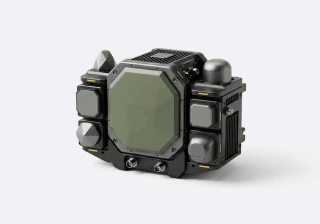
Finding information isn't the same as discovering knowledge.
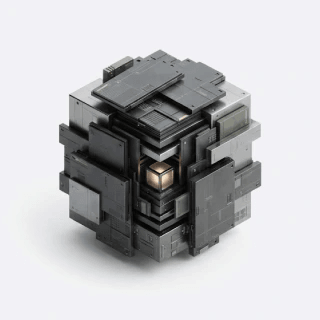
Information overload
Relevant research documents are difficult to find.
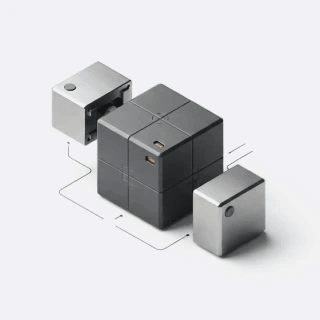
Disconnected knowledge
Relationships remain hidden across documents and datasets.
Limited visibility
Understanding the broader research landscape requires manual exploration.
From search to intelligence.
Move beyond document retrieval to a connected research environment where users can discover information, explore relationships and uncover insights.
Making AI useful, not complicated.
Search by intent,
not just keywords.
Make hidden connections explorable.
Keep information and context connected.
Make AI-generated insights traceable.
Two experiences. One connected research environment.
Minsky serves different levels of research discovery: an open experience for exploring publicly available information and an authenticated workspace for deeper research and intelligence workflows.
Public experience
Discover and explore public research.
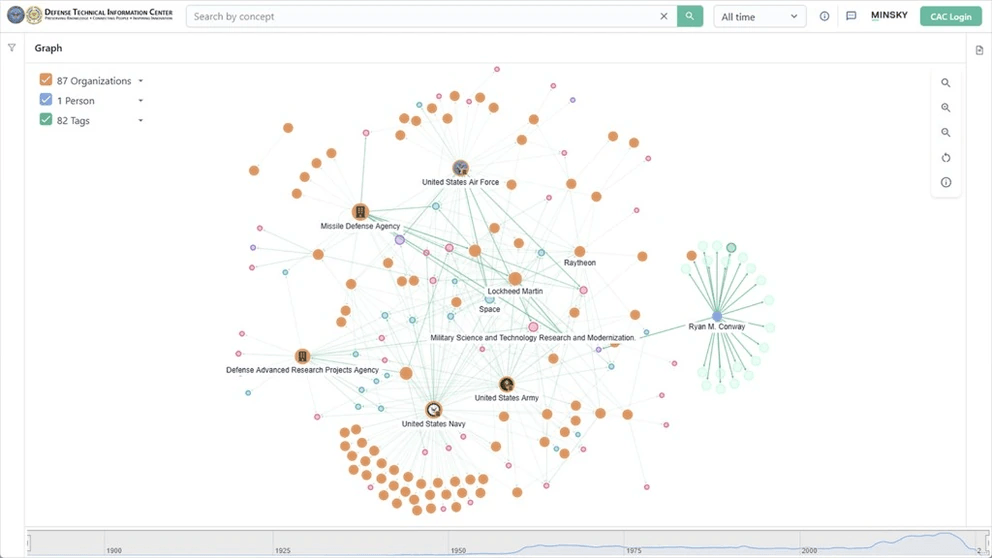
Enter through a concept
A concept query searches across document types and terminology rather than requiring an exact title or identifier. The initial result includes both documents and the connected people, organizations, and topics around them.
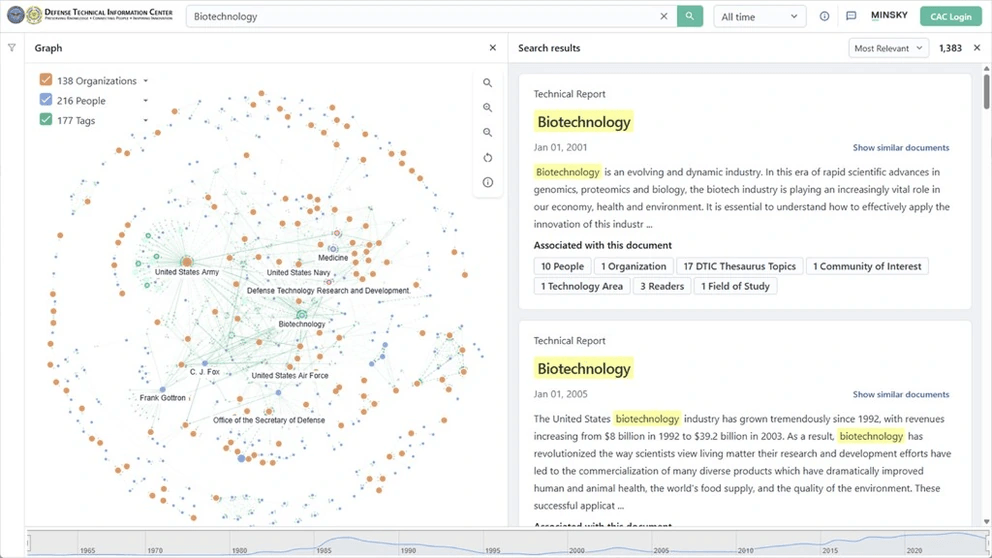
Read pattern and evidence together
The graph reveals clusters and bridges; the adjacent result keeps the underlying abstract and metadata inspectable. Node types and facet counts make the shape of the result set explicit instead of presenting the graph as an unexplained picture.
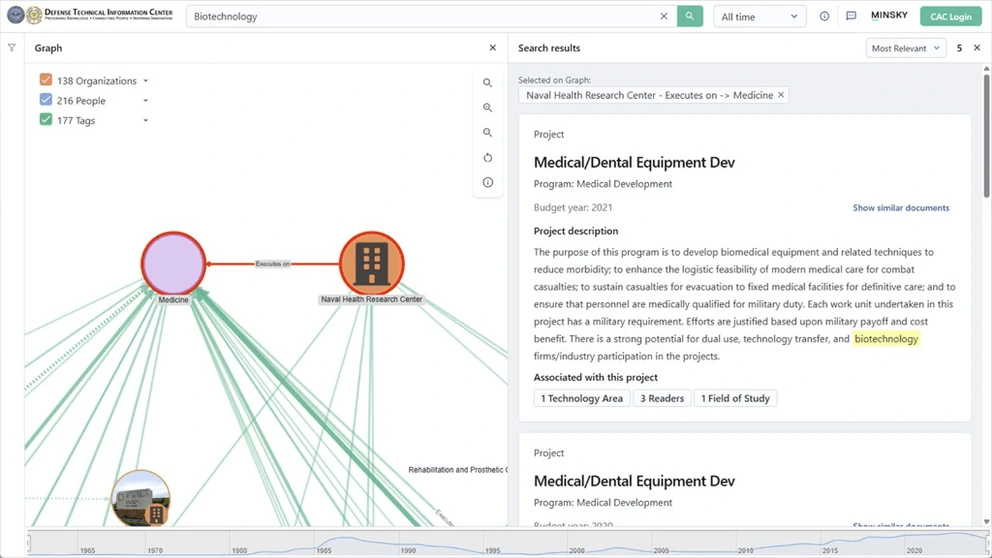
Pivot through an association
A person, organization, technology area, or thesaurus topic becomes a path into another relevant slice of the corpus. The same association is visible from the document and the graph, preserving orientation across representations.
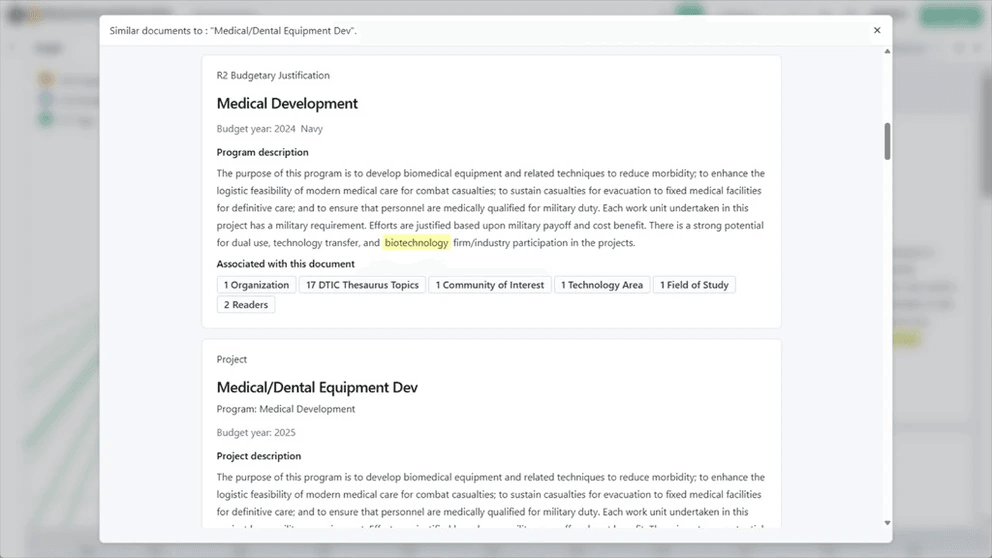
Continue and retain the work
Similar-document discovery surfaces adjacent research that may use different language or come from another organization. Internal workflows let people save the exploration, inspect a dedicated entity, or ask a grounded assistant without severing the evidence trail.
Mobile view
The public flow on a smaller canvas.
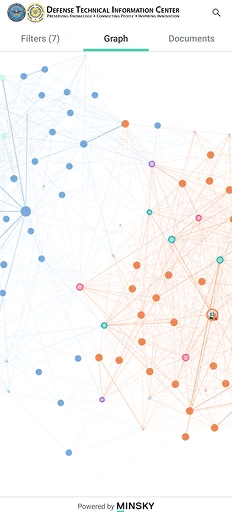
Explore the graph
Filters shape a landscape of people, organizations, and topics instead of a flat result list.
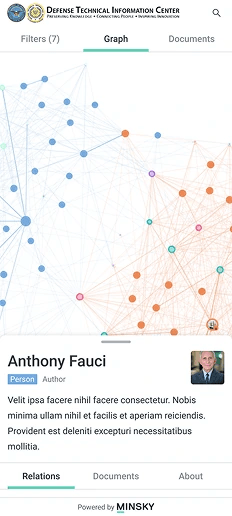
Inspect a node
Selecting a person opens evidence and context without leaving the graph view.
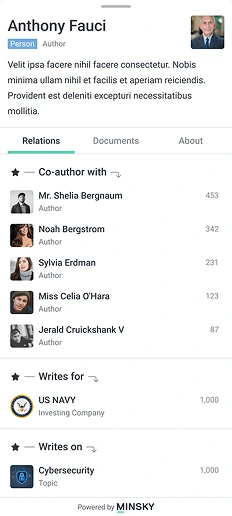
Follow relationships
Entity views surface co-authors, organizations, and topics as navigable next moves.
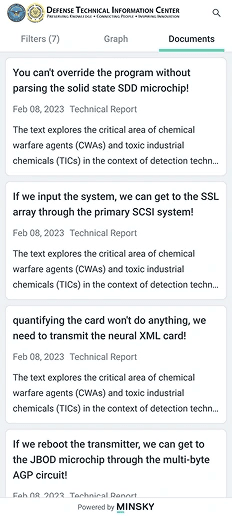
Read the documents
The same filtered set is available as document cards with titles, dates, and abstracts.
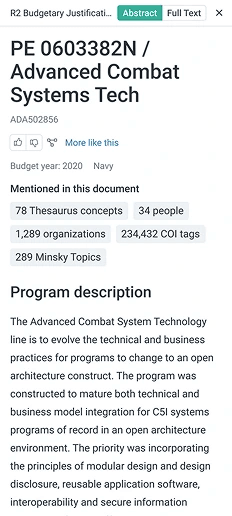
Open a source
Abstract view keeps entities, budget context, and program description next to the document.
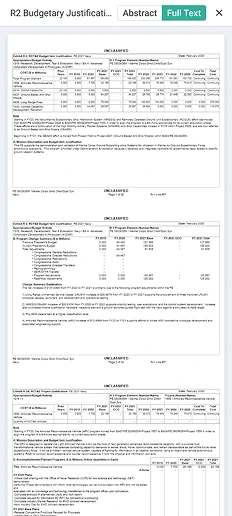
Read the full text
Full-text pages stay available for verification without leaving the investigation flow.
Authenticated experience
Go deeper with connected research intelligence.
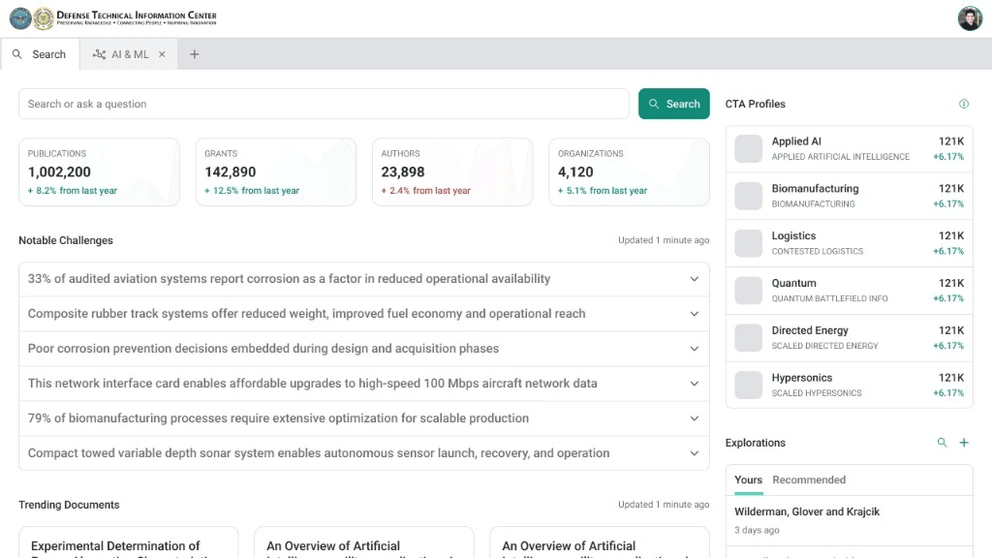
Overview
A signed-in home surface frames the corpus with live counts, notable challenges, and critical technology profiles, so researchers start from landscape context rather than an empty search box.
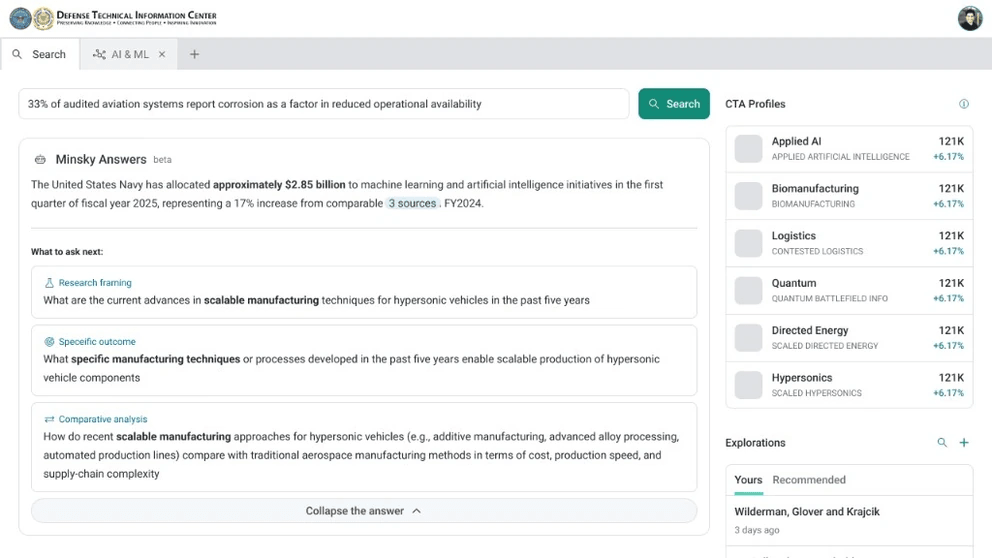
AI answers
Minsky Answers synthesizes a grounded response with cited sources and suggested next questions, keeping assistance inside the same investigation instead of a separate chat destination.
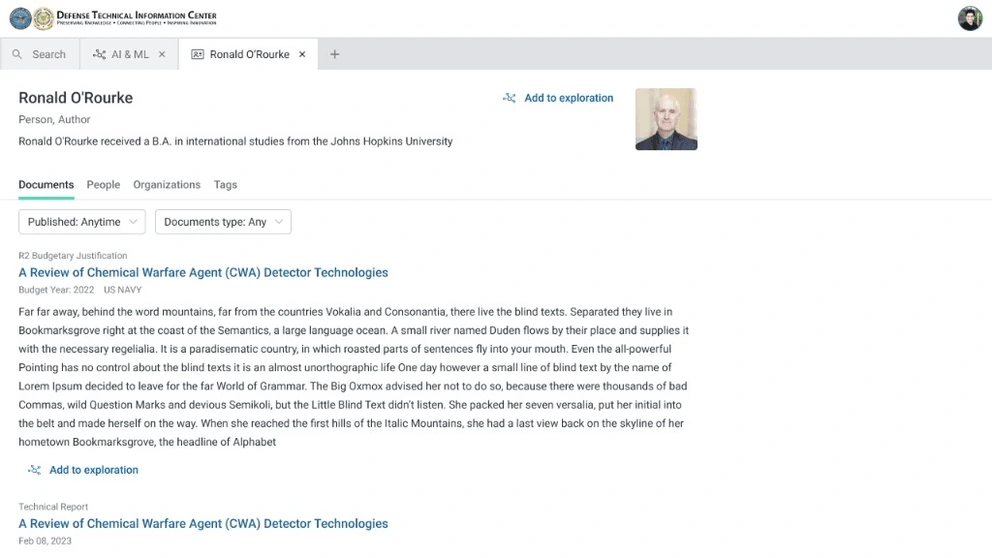
Entity view
A person, organization, or topic becomes a durable object with biography, filters, and related documents, ready to add into a saved exploration without losing the surrounding graph context.
Key design decisions
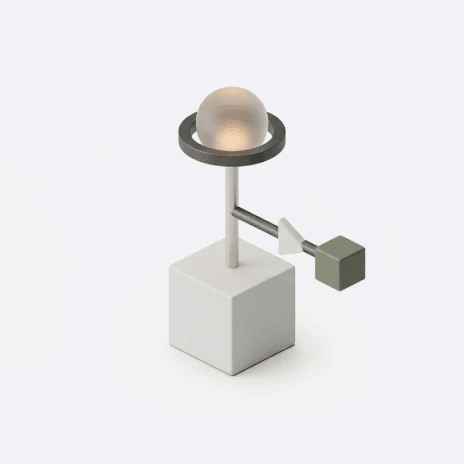
Architecture
Organizing interconnected information into a coherent structure.

Visualization
Making complex relationships understandable.
Interaction
Supporting both targeted search and open-ended exploration.

Trust
Keeping AI insights explainable and grounded in source information.
Impact
Broader and more relevant research discovery.
Visibility into previously hidden relationships.
Less manual effort connecting fragmented information.
Better awareness of the DoD research landscape.
My role
I owned the experience model and interaction direction while working closely with engineering and ML/data partners on the behavior the available graph and corpus could support.
Product model
I framed the graph as one representation inside an investigation, not as the product by itself. I defined how search state, filters, selected documents, entities, and related results should remain connected.
Interaction design
I designed entry points, pivots, detail views, saved explorations, and evidence-grounded assistant patterns. I used prototypes to test transitions and edge cases that static screens could not explain.
Team collaboration
I worked with engineers and ML/data specialists to adapt the model to indexing, entity resolution, graph density, and search constraints. Where collaborative work appeared, real-time editing and attribution kept individual contributions visible rather than flattening them into one output.
Reflection
The project reinforced that a knowledge graph earns its place through the decisions it helps someone make, not through the number of nodes it can display.
What held up in practice
Keeping graph and documents together made relationships explorable without abstracting away their evidence. Designing explicit next moves (pivot, filter, inspect, find similar, save) turned a visualization into an investigation workflow.
What remained uncertain
Public traffic shows interest but not which roles completed meaningful research tasks. Prototype and team review exposed system constraints, but direct observation would reveal vocabulary, workarounds, and collaboration needs that the interface cannot answer alone.
What I would measure next
Time to locate related or potentially duplicate work, and whether a user can explain why a result is connected. Saved-exploration reuse, successful entity pivots, source inspection before assistant acceptance, and the quality of evidence carried into a final decision.